
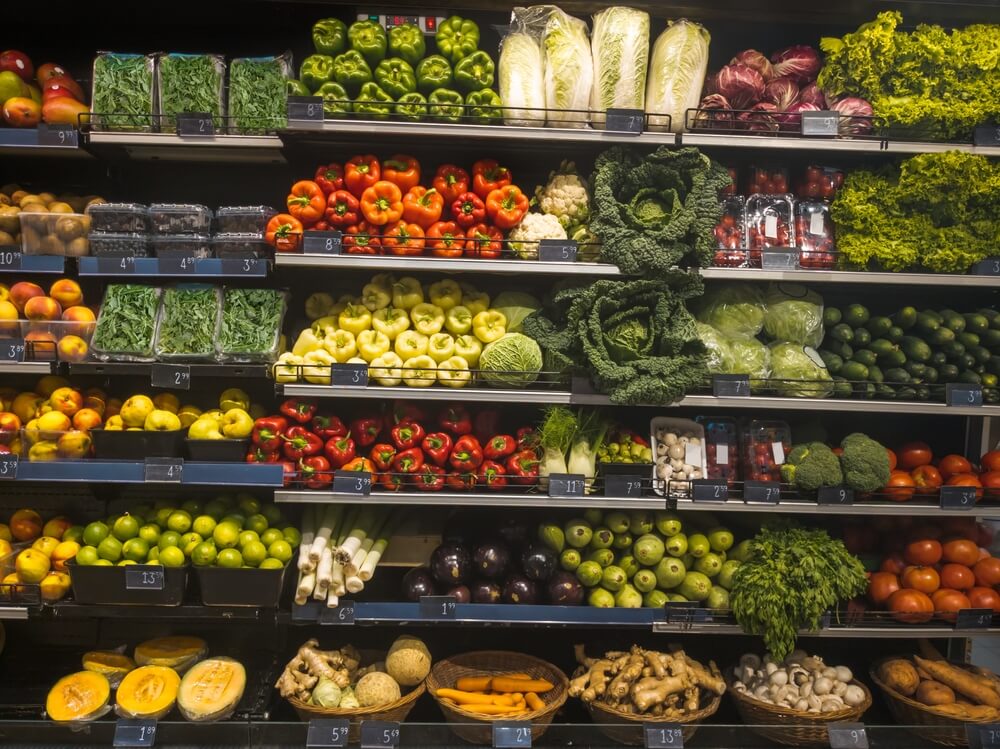
Buying the right vegetable rack for a grocery store is a decision that affects not only the interior's aesthetics but also shopping comfort and staff work organization. Proper display of fresh products can effectively attract customers' attention, improve their shopping experience, and increase sales. Contrary to appearances, it's not just about looks. Durability, functionality, and adapting the rack to daily use conditions also matter.
Functionality and Ergonomics — What Should a Good Vegetable Rack Offer?
A rack intended for displaying vegetables must be adapted to both the type of goods and the daily operations of the store. Ease of access to products is extremely important, both for customers and for employees restocking items. The rack should have an appropriate height, width, and depth of shelves to facilitate selection and not hinder movement around the store. A well-designed structure influences the smoothness of service and the overall convenience of using the sales space.
Another important aspect is modularity and the ability to quickly rearrange or expand the display. In smaller stores, every square meter counts, so the rack should be as flexible as possible in terms of arrangement. Containers, dividers, or slanted shelves facilitate the presentation of different types of vegetables and improve the visibility of the assortment. Proper space organization is a way to increase sales efficiency without having to change the entire store layout.
Material Matters — Why Plexiglass and Other Durable Plastics?
Plastics, such as plexiglass, are often chosen in the retail industry due to their durability and aesthetics. Plexiglass not only looks good but is also resistant to moisture, dirt, and mechanical damage. This is particularly important for vegetable racks, as fresh produce requires frequent restocking and contact with water. The ease of cleaning the surface translates into maintaining hygiene at the point of sale.
The choice of material also affects safety and daily work comfort. Plexiglass does not have sharp edges, is lightweight, and easy to move, which facilitates changing the display layout if needed. Its transparency allows products to be displayed neatly and clearly, which is important when selling food products. Aesthetic workmanship goes hand in hand with functionality, making the rack part of the store's visual identity.
Aesthetics and Display — How to Attract Customers’ Attention with a Fresh Presentation?
A properly organized vegetable display has a direct impact on customers' purchasing decisions. The natural colors of vegetables themselves attract attention, but the way they are presented can significantly increase the attractiveness of the offer. A rack that allows for display at a slight angle provides better visibility for each product. The use of transparent elements makes the entire presentation look fresh, clear, and hygienic.
The division of space into specific product groups is also very important. Separate compartments prevent vegetables from mixing and help maintain order on the shelves. Customers find what they are looking for more quickly, and the rack itself looks aesthetically pleasing regardless of the store's traffic intensity. A well-thought-out presentation increases product turnover, minimizes losses, and builds a positive impression of the quality of the offered products.